Retro Sunset Vintage Circle Brush Travel
As an embroidery designer and product reviewer, I’ve seen my fair share of digital designs. But when I came across the Retro Sunset Vintage Circle Brush Travel, I wanted to take a closer look before using it in real projects. This design has a nostalgic charm that could work well in a variety of handmade and commercial applications. Let’s break down what makes it stand out—and where it might fall short.
The First Impression: A Nostalgic Visual Statement
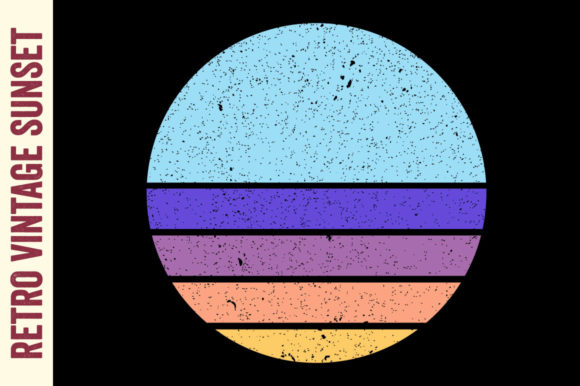
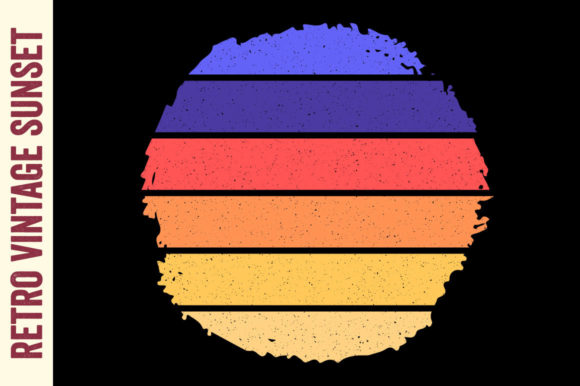
The Retro Sunset Vintage Circle Brush Travel immediately evokes a sense of warmth and memory. The circular composition with its soft gradient sunset tones creates a vintage feel that feels both timeless and modern. The brushstroke effect adds texture, making it more than just a simple graphic—it feels like a piece of art that could be stitched onto fabric. The layout is balanced, with the sun setting in the center and the brush strokes radiating outward, giving it a natural flow that works well for embroidered patches or tote bag designs.
This design would fit best on items that call for a handcrafted, personal touch. Think custom apparel, baby clothes, or personalized gifts. It’s not the kind of design you’d use for something minimal or ultra-modern. Instead, it’s ideal for products that aim to evoke emotion or nostalgia.
Real-World Embroidery Performance
When I tested the Retro Sunset Vintage Circle Brush Travel on a few different fabrics, I noticed how the design interacts with various textures. On smooth, lightweight cotton, it looked clean and clear. But on thicker or textured materials, some of the finer details—like the brush stroke edges—could get lost. That’s something to keep in mind if you’re planning to use this on items like denim jackets or thick sweatshirts.
The stitch density is moderate, which is good for most standard hoop sizes. However, if you're working with a small hoop, you may need to adjust the design or split it into sections. For larger pieces like pillow covers or aprons, it should work fine as long as your machine can handle the size.
Thread color contrast is another important factor. The design uses warm, muted tones that could blend too much on dark fabrics. If you're planning to use it on black or navy, consider adjusting the colors or adding a white outline to make the design pop. On lighter backgrounds, the design shines, especially with a satin stitch finish that brings out the gradients.
Where to Use It Carefully
While the Retro Sunset Vintage Circle Brush Travel is versatile, there are some situations where it might not perform as well. For instance, on thin or stretchy fabrics, the design could pucker or distort. Using the right stabilizer is key here—especially if you're working with items like baby onesies or t-shirts that require flexibility.
It also doesn’t do well on curved surfaces like caps or hoods. The circular shape might not align properly, leading to uneven stitching. Similarly, if you're planning to use this on a patch or applique design, you’ll want to ensure that the edges are clean and well-defined to avoid fraying or distortion during the sewing process.
Another thing to watch for is the detail level. While the design has a nice amount of visual interest, it might not be the best choice for tiny lettering or intricate patterns. If you’re planning to add text or other elements alongside it, you’ll need to make sure they complement the overall style without overwhelming it.
Impact on Visual Appeal and Customer Perception
One of the biggest advantages of the Retro Sunset Vintage Circle Brush Travel is its ability to elevate the visual appeal of any finished product. Whether it’s a custom tote bag, a sweatshirt, or a baby onesie, this design adds a unique and eye-catching element that stands out from generic logos or basic graphics.
From a customer perspective, this design can increase the perceived value of a handmade product. People often associate vintage styles with quality and craftsmanship, so using this design can help build trust and create a more professional-looking finished item. It also makes the product more gift-worthy, especially for holidays, weddings, or personal milestones.
For small business owners and Etsy sellers, the Retro Sunset Vintage Circle Brush Travel could be a great addition to your design library. It’s perfect for creating printable mockups or digital product previews that showcase your brand’s aesthetic. Just make sure the licensing terms allow for commercial use if you plan to sell finished items or digital files.
Practical Designer Notes
Before jumping into a project with the Retro Sunset Vintage Circle Brush Travel, here are a few things to keep in mind:
- Test on scrap fabric first. This helps you see how the design looks in real life and identify any potential issues with stitch density or thread color.
- Check thread color contrast. Make sure the colors work well against the fabric you’re using, especially on darker backgrounds.
- Review stitch density. If the design is too dense, it could cause puckering or damage to delicate fabrics.
- Confirm hoop size. If your machine has limitations, you may need to adjust the design or split it into sections.
- Inspect small details. Pay attention to the edges and corners to ensure they look clean after stitching.
- Test in black and white mockups. This helps you see how the design translates without color, which is useful for print-on-demand setups.
- Compare light and dark fabric backgrounds. This ensures the design remains visible and appealing in all scenarios.
- Use proper stabilizer. Especially for stretchy or delicate fabrics, stabilizer is essential for maintaining the integrity of the design.
- Check licensing before selling. Make sure the design allows for commercial use if you plan to sell finished products or digital files.
Overall, the Retro Sunset Vintage Circle Brush Travel is a solid choice for designers looking to add a vintage flair to their embroidery projects. It’s versatile enough for a range of applications, but it does require some consideration when it comes to fabric type, hoop size, and stitch density. With the right approach, it can become a valuable asset in your design toolkit.