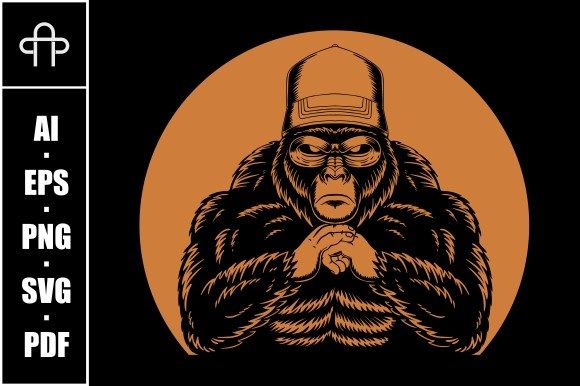
Cool Gorilla Retro Vector Illustration
As a designer who’s worked with countless embroidery files, I always start by evaluating a design’s mood, structure, and practicality. The Cool Gorilla Retro Vector Illustration immediately caught my attention with its bold, nostalgic energy. It feels like a piece that could easily be pulled from a vintage poster or comic book, making it perfect for projects that want to evoke a sense of retro charm.
The First Impression
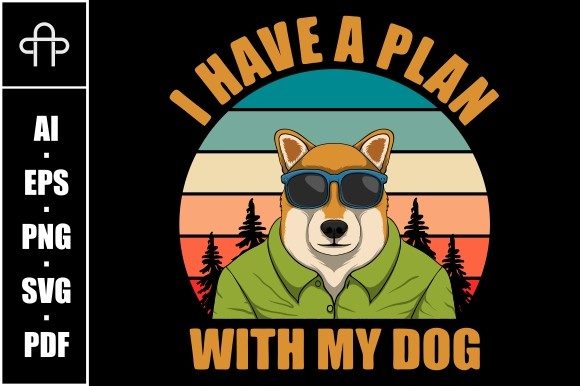
The illustration has a strong visual personality—clean lines, a slightly stylized gorilla, and a vintage aesthetic that feels both playful and professional. The layout is balanced, with enough detail to stand out without being overwhelming. This makes it ideal for custom apparel, baby items, or even as a decorative element on home goods.
The shape of the gorilla is well-defined, which is crucial for embroidery. It doesn’t have too many intricate parts that would be hard to translate into stitches. The overall composition suggests it would work best as a central feature rather than a background element.
Real-Life Embroidery Use Cases
I imagine this design working well on a variety of projects. A tote bag with the Cool Gorilla Retro Vector Illustration would make a great statement piece for a small shop or Etsy seller. It could also be used on sweatshirts, caps, or even aprons for a boutique brand looking to add some character to their merchandise.
For baby items, the design’s simplicity and charm make it a safe choice. It wouldn’t be too intense for a nursery, yet it still has enough personality to make a handmade product feel special. As an embroidered patch, it could be applied to jackets, backpacks, or even pet collars.
When it comes to holiday or gift-related projects, the design’s retro vibe could be a hit. Think personalized mugs, tea towels, or pillow covers. It has the potential to become a signature element for a craft business that wants to offer unique, handcrafted items.
Where to Be Careful
While the design is versatile, there are a few areas where caution is needed. If you’re working with small hoop sizes, the Cool Gorilla Retro Vector Illustration might require multiple hooping sessions, which can be time-consuming. For textured fabrics or thin materials, the design may not hold up as well, especially if the stitch density is too high.
On stretchy or dark fabrics, the contrast might be an issue. You’ll want to test the design with different thread colors to ensure it stands out. Also, if you’re planning to use it on curved surfaces like caps, the design’s edges might need some adjustment to fit properly.
Detailed corners or tiny lettering could be problematic if the file isn’t optimized for embroidery. Always check the design’s complexity before committing to a project. It’s also important to consider how the design will look in black and white mockups, as this can affect how it appears on different backgrounds.
Impact on Visual Appeal and Value
The Cool Gorilla Retro Vector Illustration adds a unique visual appeal that can elevate any handmade product. Its retro style gives it a timeless quality, which can increase the perceived value of a finished product. Customers often respond positively to designs that feel authentic and creative, which this illustration certainly does.
For a small business owner or Etsy seller, this design could help build brand consistency. It’s the kind of asset that can be used across multiple products, creating a cohesive look that customers recognize and appreciate. It also enhances the professionalism of your offerings, making them more appealing to buyers who are looking for quality and originality.
As a personalized gift, the design offers a level of customization that can make a product feel more meaningful. Whether it’s a birthday present, a wedding gift, or a holiday item, the Cool Gorilla Retro Vector Illustration has the potential to make a lasting impression.
Practical Designer Notes
Before using the Cool Gorilla Retro Vector Illustration in any project, I recommend testing it on scrap fabric. This helps you see how the design translates to actual stitching and whether any adjustments are needed. Pay close attention to stitch density—too much can cause puckering, while too little might make the design look weak.
Check the hoop size required for the design, especially if you’re working with limited space. Make sure the stabilizer is appropriate for the fabric you’re using, as this can prevent distortion during stitching. Also, review the thread color options to ensure they match your vision and the fabric you’re working with.
If you’re planning to sell finished items or digital products featuring this design, double-check the licensing terms. Some files may have restrictions on commercial use, so it’s important to confirm that everything is in order before proceeding.
Finally, don’t forget to compare the design on light and dark backgrounds. This can help you decide which versions work best for your specific projects and customer preferences.